A suitable itinerary for school groups or for those interested in discovering the history and nature of Eastern Sicily in a few days.
4 days / 3 nights – From Catania to Catania
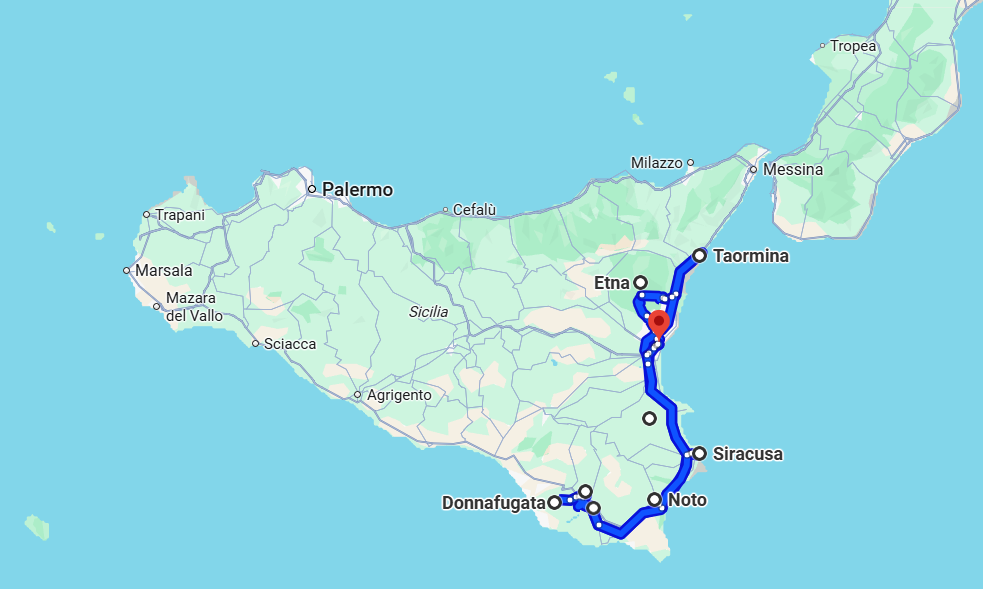
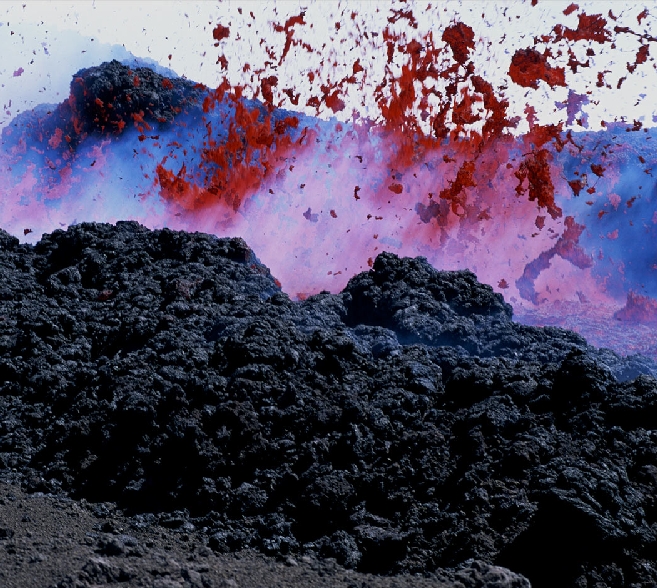
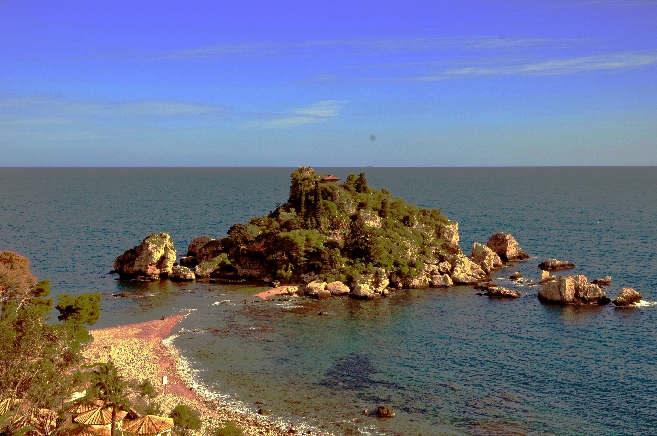
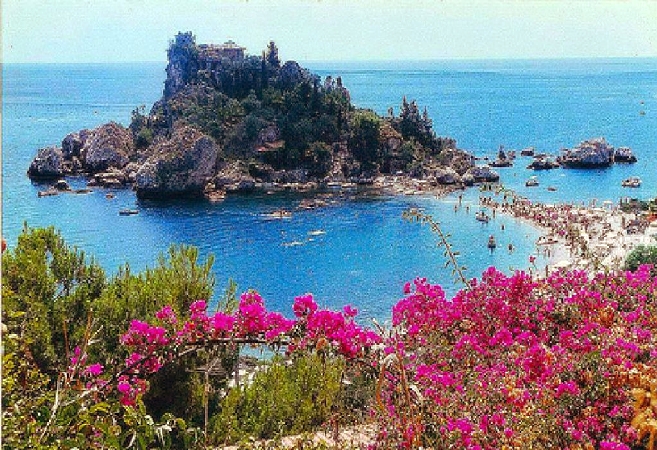
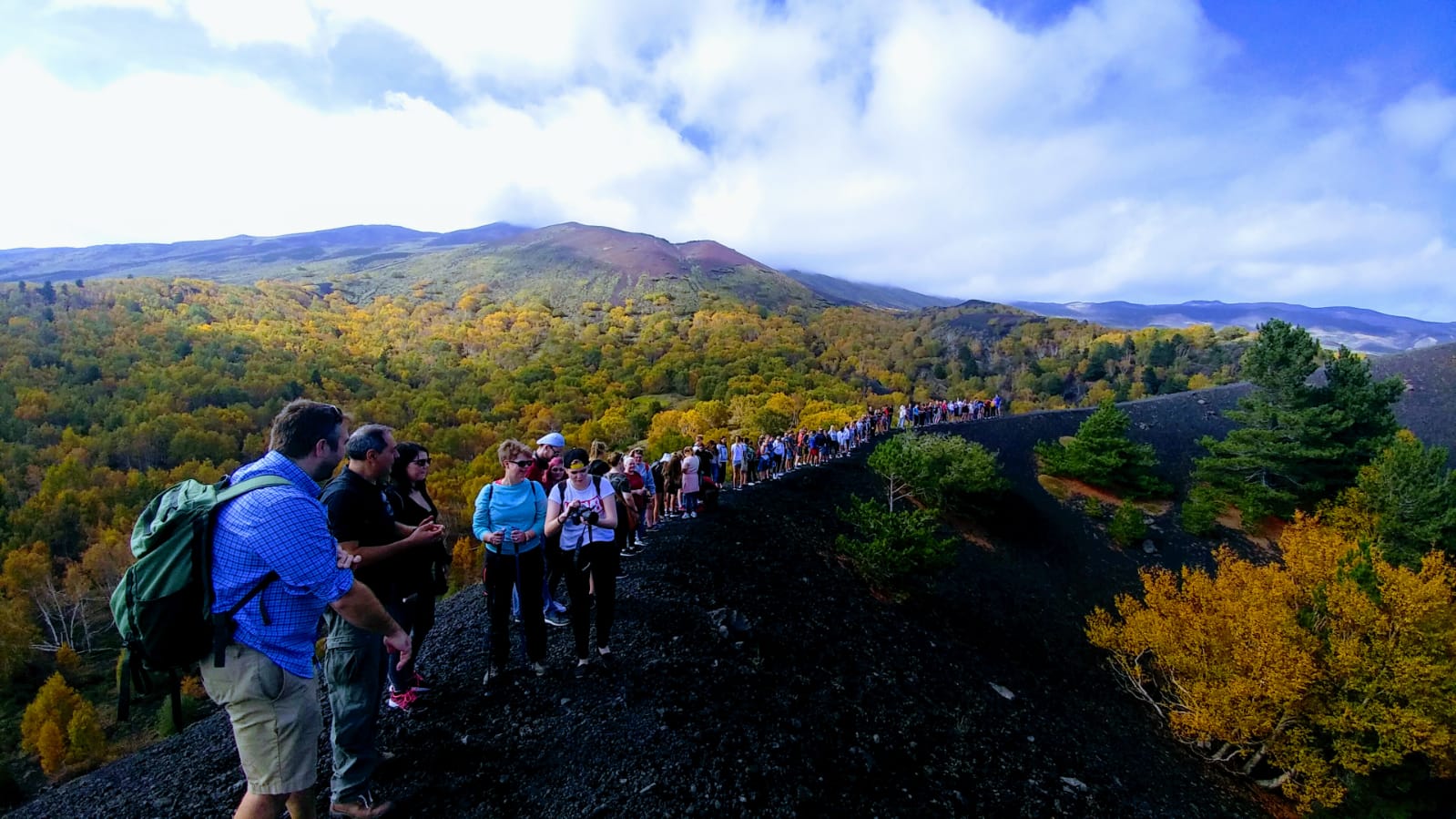
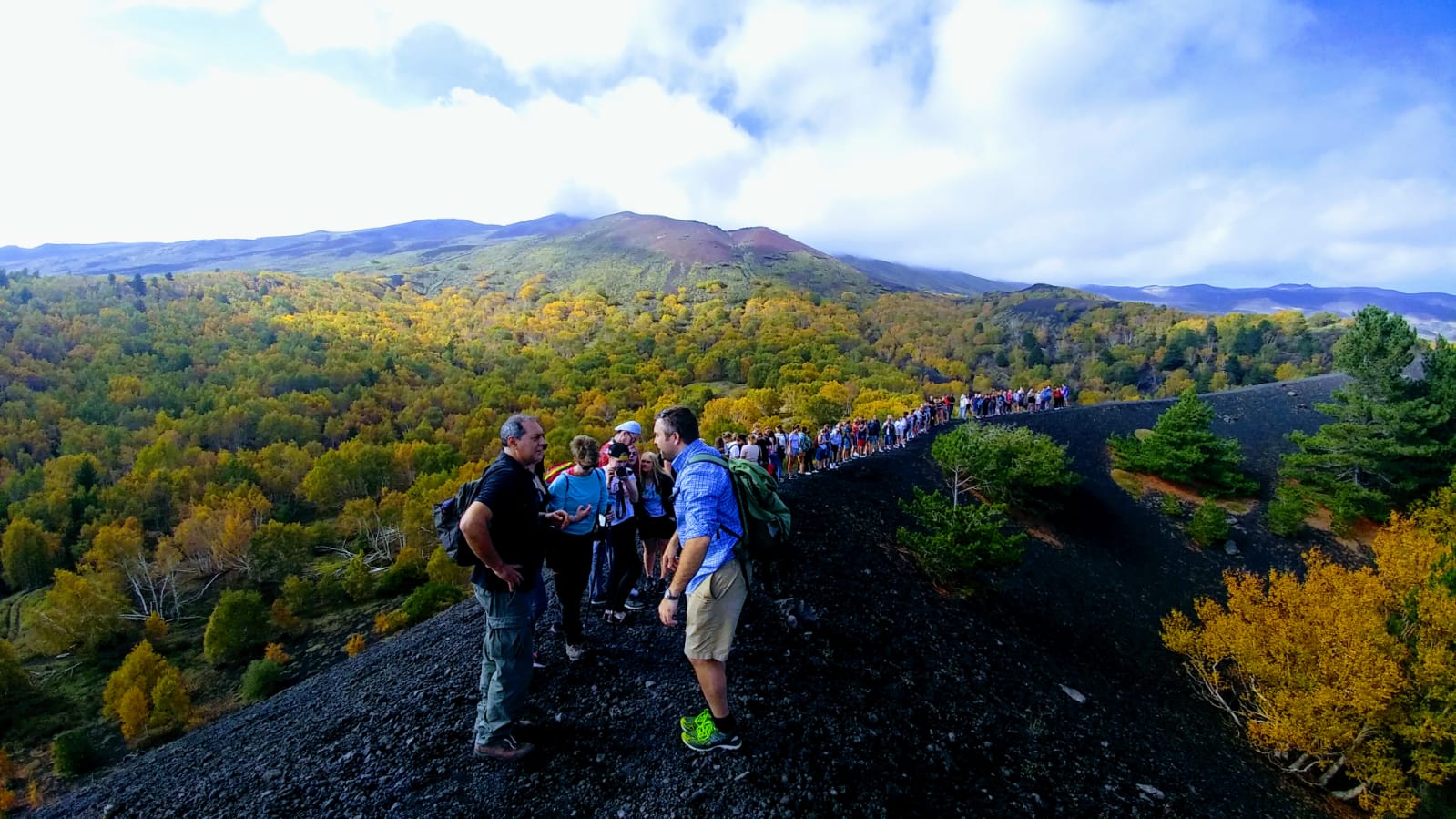
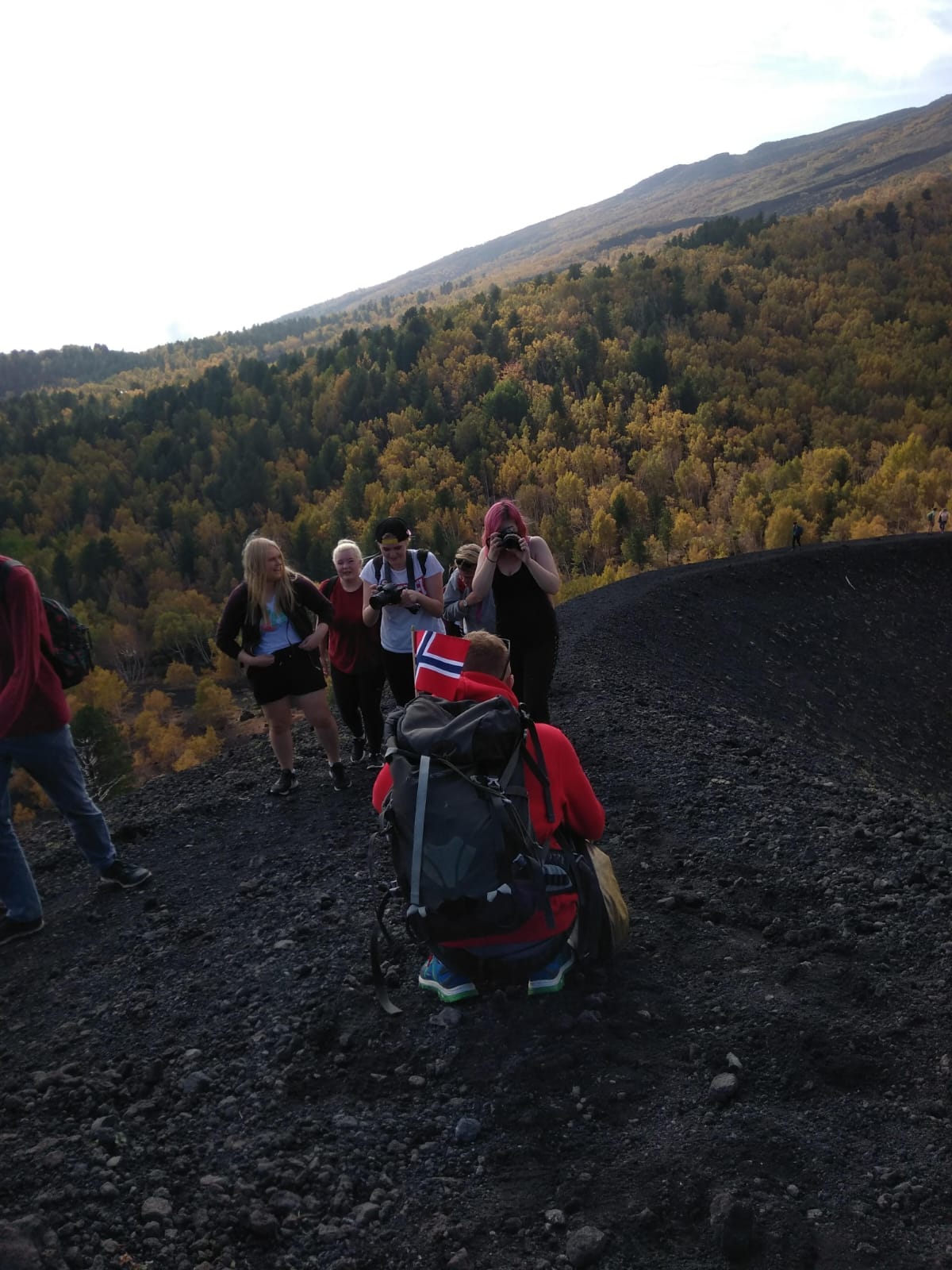
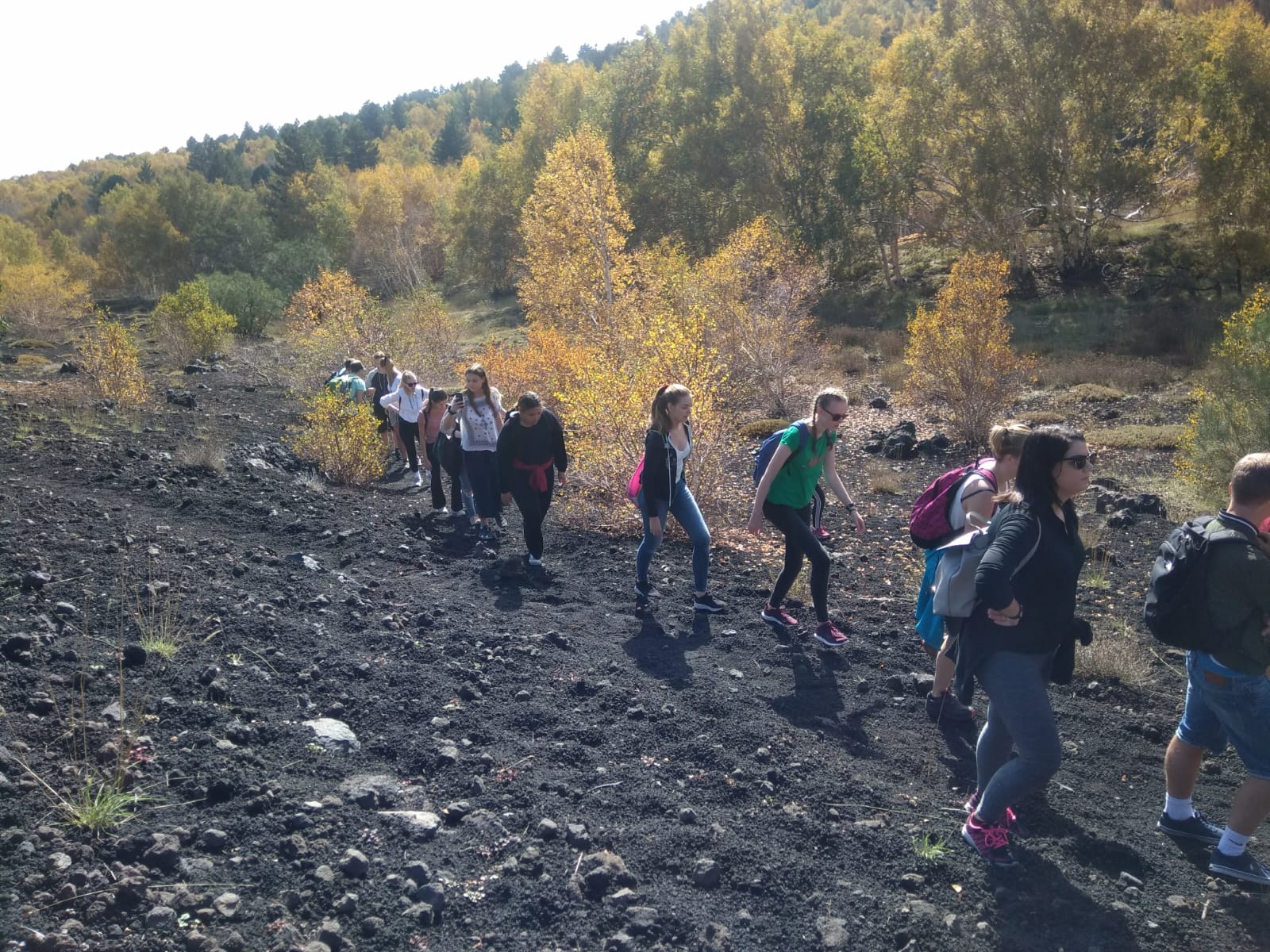
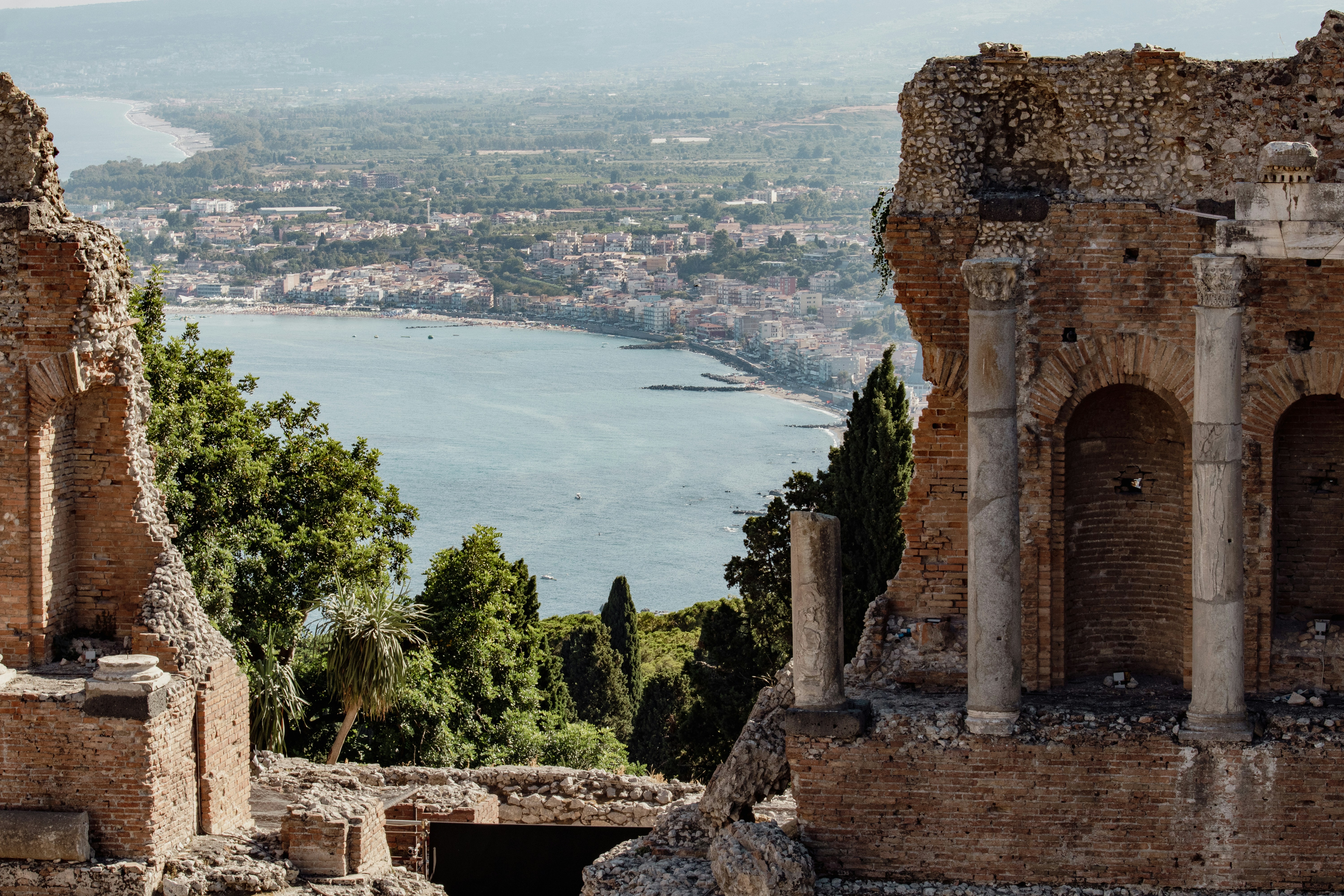
Morning arrival in Catania, departure for an excursion to Etna, the highest volcano in Europe, a real giant that overlooks and “protects” Eastern Sicily. Arriving at 2,000 m.a.s.l. along roads crossing lava flows of ancient eruptions, you can enjoy breathtaking views of the Sicilian Ionian coast. In the afternoon, transfer to Taormina to walk through the characteristic “alleys”. Founded in the 4th century BC by the Siculi on Mount Tauro. Later a prosperous Greek city and then under Roman rule. The most famous monument is the theater, dating back to the 3rd century BC, an invaluable archaeological heritage and a place of incomparable and suggestive panoramic beauty.
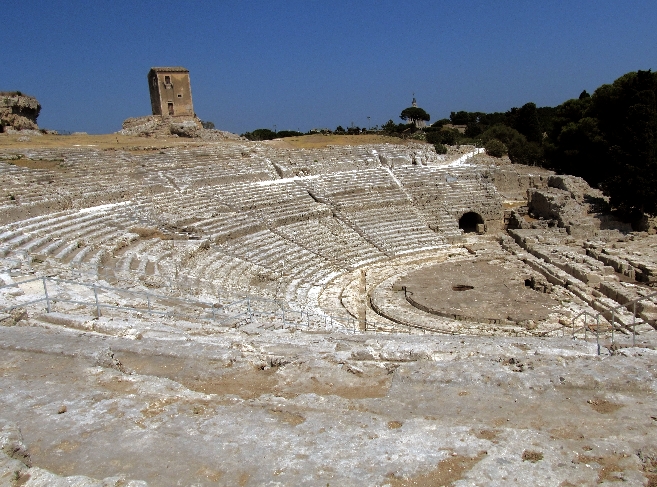
Breakfast at the hotel, departure for a visit to Syracuse, the largest and most beautiful Greek colony in Sicily. Visit the Neapolis Archaeological Park, the monuments of Ortigia Island with the famous Arethusa Fountain, the Latomie of Paradise, and the suggestive Ear of Dionysius (with extraordinary acoustic effects). In the afternoon transfer to Noto, declared a UNESCO World Heritage Site for its immense artistic heritage and as the cradle of Baroque in southeastern Sicily. Near Noto is Villa del Tellaro, the remains of a Roman villa from the 4th century, recently restored revealing floors covered with extraordinary mosaics, notable for their refined style.
Breakfast at the hotel, departure for Ragusa Ibla, dating back to the 18th century, with many splendid buildings: Cathedral of San Giovanni, Bertini and Cosentini palaces, San Giorgio portal, important examples of Baroque architecture. Then visit Donnafugata Castle, built on a pre-existing Arab-Norman lookout tower by Baron Arezzo in the 19th century as a summer residence; recently often used as a film set. In the afternoon visit Modica, nicknamed the city of lace for the delicate decorations of its palaces and Baroque churches. Notable are the Church of San Giorgio with its steep staircase of 250 steps and beautiful façade, as well as the Cathedral of San Pietro, the Capuchin Convent, and the Palazzo dei Mercedari. Don’t miss the famous sweet shops with typical Modican chocolate.
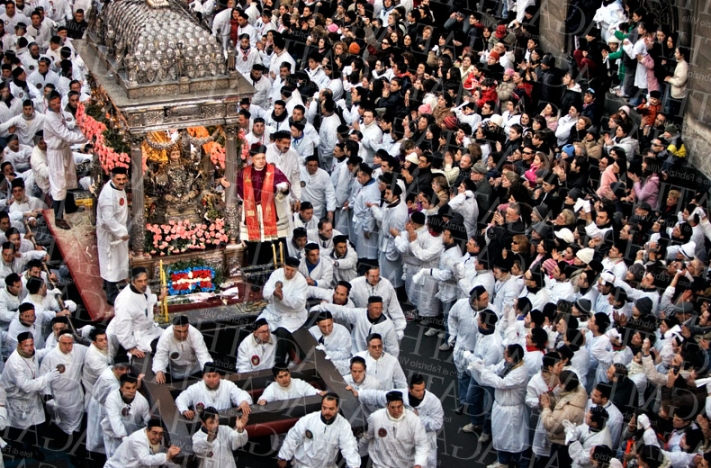
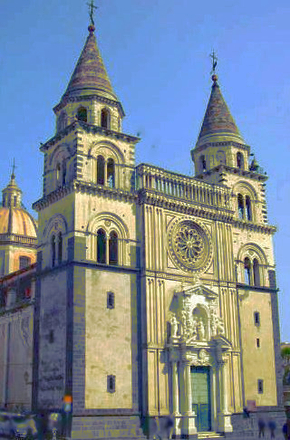
Breakfast at the hotel. Visit Catania, in particular: the Cathedral, Piazza Duomo, the Baroque Via dei Crociferi, the Church of the Collegiata, the Benedictine Monastery area, and the characteristic Pescheria market. If time permits before departure, dedicate the last moments in Sicily to visit the coastal fishing villages of the Ionian coast, especially enjoying the wonderful view of the Faraglioni in Acitrezza, a picturesque fishing village that inspired Giovanni Verga in the novel “I Malavoglia”. Continue to Acireale, cradle of Catania Baroque; the Churches of San Sebastiano, Saints Pietro and Paolo, and the Cathedral are the jewels of the town.